

Credit report errors can be easy to miss when you only check your score. You might notice that the number is lower than expected without knowing which account, balance, or payment detail deserves a closer look. Reviewing the report behind that score gives you a more useful starting point.
October is a practical time to do that review. Before holiday spending, travel plans, and end-of-year commitments take up more attention, set aside time to understand what your credit reports say about you.
You don’t have to solve every issue in one sitting. Start by gathering your reports, checking the information, and making a clear list of anything that needs follow-up.
At FRS Credit, we offer a free credit analysis to help you understand your credit profile and discuss possible next steps. Whether you review your reports yourself or choose professional support, knowing what to look for can make the process less overwhelming.
Why Credit Report Errors Deserve Your Attention
A credit score gives you a summary, but your credit report contains the underlying account information.
If something on that report is inaccurate, it may affect how your credit history is evaluated. An account that belongs to someone else, an incorrectly reported late payment, or an inaccurate balance can all deserve investigation.
Not every mistake has the same effect. A misspelled name is different from an unfamiliar account with a past-due balance. However, both are worth reviewing because your report should accurately identify you and your financial history.
The goal is to understand what is being reported and whether it is correct. A lower score doesn’t automatically mean your report contains errors, and correcting an error doesn’t guarantee a particular score increase.
Approach the review as a fact-checking exercise. You’re comparing the report with your own records, identifying discrepancies, and deciding what action is appropriate.
Gather Your Reports Before You Begin
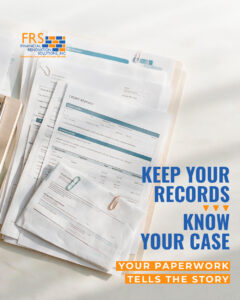
Review reports from Equifax, Experian, and TransUnion rather than relying on a single score displayed in an app.
Information can differ between reports, so an issue visible on one may not appear in the same way on another. Reviewing all three helps you understand where a discrepancy is showing up.
You can access free credit reports through AnnualCreditReport.com. Checking your own reports does not hurt your credit score.
Choose a time when you can work without rushing. Have a notebook or a simple spreadsheet ready, along with recent statements and any records connected to accounts you’re concerned about.
Keep your reports and supporting documents in a secure location. They contain sensitive personal and financial information, so avoid sending complete copies through unsecured channels or sharing them publicly.
Start With Your Personal Information
Before reviewing account balances, check the identifying information.
Look at your name, addresses, and other personal details. Previous addresses or variations of your name may have an explanation, but information you don’t recognize should prompt a closer review.
An unfamiliar address alone doesn’t prove identity theft. It is a reason to investigate, particularly if you also see unfamiliar accounts or activity.
Write down the specific information that concerns you and where it appears. “This address is not mine” is more useful than a general note saying the report looks wrong.
Accuracy at this stage matters because your credit file should contain information about you. It should not be mixed with the history of another person who happens to have a similar name.
Check for Credit Report Errors in Account Ownership
Next, review the accounts listed on each report.
Do you recognize the lenders and account types? Does the account belong to you? Are you correctly identified as the account owner or an authorized user?
A name you don’t recognize may still have a legitimate explanation. A lender may use a different business name, or an account may have been transferred. Check your records before reaching a conclusion.
If an account remains unfamiliar, record the details and investigate. If you suspect identity theft, visit IdentityTheft.gov for guidance on reporting and recovery.
For accounts you do recognize, check whether the report describes your relationship to the account correctly. Being listed as the owner when you are only an authorized user is an example of information that may need correction.
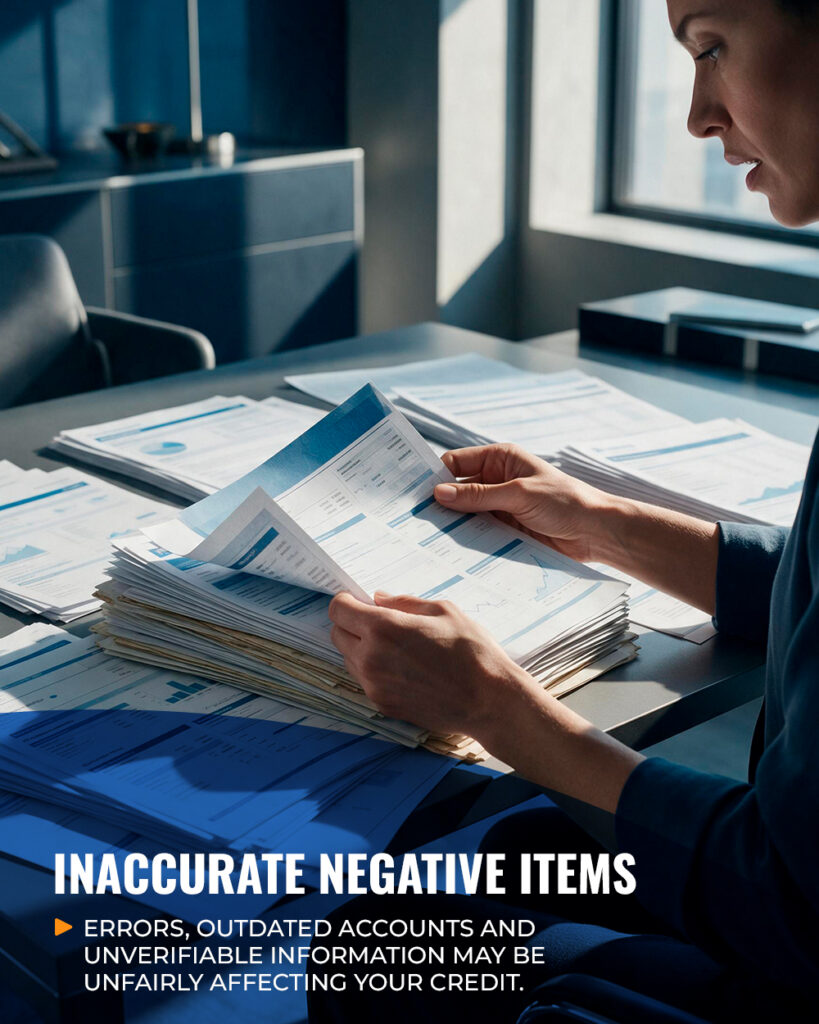
Review Payment History and Account Status
Payment history deserves careful attention.
Look for accounts marked late when your records indicate you paid on time. Check whether an account is listed as open or closed and whether that description matches your understanding.
For example, imagine your report shows a late payment for a particular month, but you have a statement and payment confirmation that appear to contradict it. That gives you a specific issue to investigate and documents to review.
Be precise about what you believe is wrong. Identify the account, the month, the reported status, and the evidence supporting your concern.
A closed account appearing on your report is not automatically an error. The question is whether its status and history are being reported accurately. Don’t assume that every old account should disappear simply because you no longer use it.
Compare Balances, Limits, and Dates
Credit report errors can also involve numerical details.
Compare reported balances and credit limits with your records. Review relevant dates, including when an account was opened and any payment or delinquency dates that appear incorrect.
Remember that a credit report is not a live banking screen. A difference between your current app balance and a reported balance may reflect when information was last updated rather than an error.
Check the reporting date and compare records from the relevant period. This helps you distinguish a timing difference from information that is genuinely inaccurate.
If the discrepancy still needs investigation, write down the reported figure, the figure you believe is correct, and the documents that support your position.
Investigate Possible Duplicate Reporting
Seeing similar account information more than once can be confusing.
The same debt listed more than once may indicate an error, but similar entries do not automatically prove duplication. Review the account names, balances, status, and other identifying details before deciding.
For example, you may need to understand the relationship between an original creditor and a collection account. The important question is whether the information accurately describes the account and its current status.
Avoid submitting a dispute based only on the fact that two entries look similar. Gather enough information to explain the specific problem you believe exists.
A clear concern supported by records is more useful than a broad request to remove everything that appears negative.
Organize Evidence Before Disputing Credit Report Errors
Once you’ve identified a possible mistake, collect the relevant supporting documents.
Depending on the issue, those might include account statements, payment confirmations, correspondence, or documents showing that an account was closed.
Create a short summary for each concern. Include the reporting company, the account involved, the information you believe is wrong, and why you believe it is wrong.
You have the right to dispute inaccurate information yourself for free. The Consumer Financial Protection Bureau recommends contacting both the credit reporting company and the company that supplied the information.
Explain the issue clearly and provide copies of supporting documents. Keep your originals, and retain copies of what you submit, confirmation numbers, and any responses.
Separate Reporting Errors From Accurate Negative Information
An October credit review may reveal information you dislike that is nevertheless accurate.
That distinction matters. An accurately reported missed payment is different from a payment incorrectly marked late. A legitimate balance you’re struggling to repay is different from a balance reported incorrectly.
Accurate, current negative information generally cannot be removed simply because it affects your credit. Be cautious about anyone promising to erase legitimate history or guarantee a specific score increase.
If the information is correct, your next step may involve managing payments, addressing balances, or building stronger habits over time.
You can work on those issues while also investigating genuine mistakes. Keeping the two tasks separate helps you choose the right action for each account.
Keep a Follow-Up Record
Submitting a dispute is one step in the process.
Keep a record of when you submitted it, where it went, what documents you included, and any response you received. Read the outcome carefully rather than assuming the issue has been resolved.
If information is corrected, review the updated report. If it remains unchanged, examine the explanation and consider whether you have additional relevant evidence.
Avoid sending the same unsupported dispute repeatedly. Focus on the facts, the response, and any information that helps clarify the issue.
A simple tracking document can make follow-up easier. You don’t need a complicated system—just an organized record you can refer to without searching through emails and papers.
Make Your October Checkup Useful Beyond This Month
Finish your review with a practical list of next steps.
You might need to gather a missing statement, investigate an unfamiliar account, submit a documented dispute, or set reminders for upcoming payments.
Give each task a clear action instead of writing something vague such as “fix credit.” Specific steps are easier to complete and easier to track.
Schedule another review so your reports don’t become something you only examine after a declined application. Keeping organized records also makes future questions easier to investigate.
Get Help Understanding Your Credit Profile
You don’t need to know every credit-reporting term before asking questions.
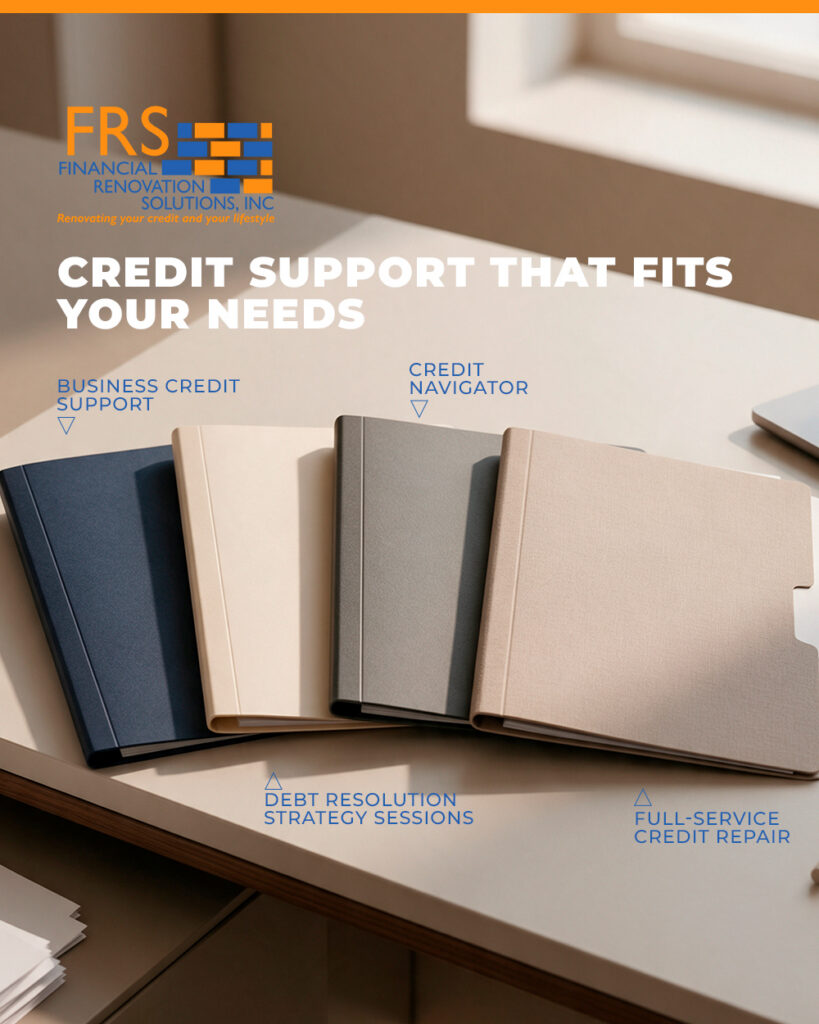
FRS Credit’s free credit analysis provides an opportunity to review your profile and discuss what may need attention. Our website also outlines full-service credit repair and Credit Navigator, our guided DIY option.
You can dispute errors yourself for free, and choosing paid support is optional. If you’re considering a service, understand its scope, fees, terms, and realistic expectations before enrolling.
Start this October by finding out what your reports actually say. Identifying credit report errors, organizing your records, and choosing a clear next step can give you a more informed foundation for the months ahead.
Visit FRS Credit to request your free credit analysis.
